The 20 Million Milestone: Bitcoin Mining Is, and Always Will Be, an Energy Business
Artificial intelligence is having its electricity moment.
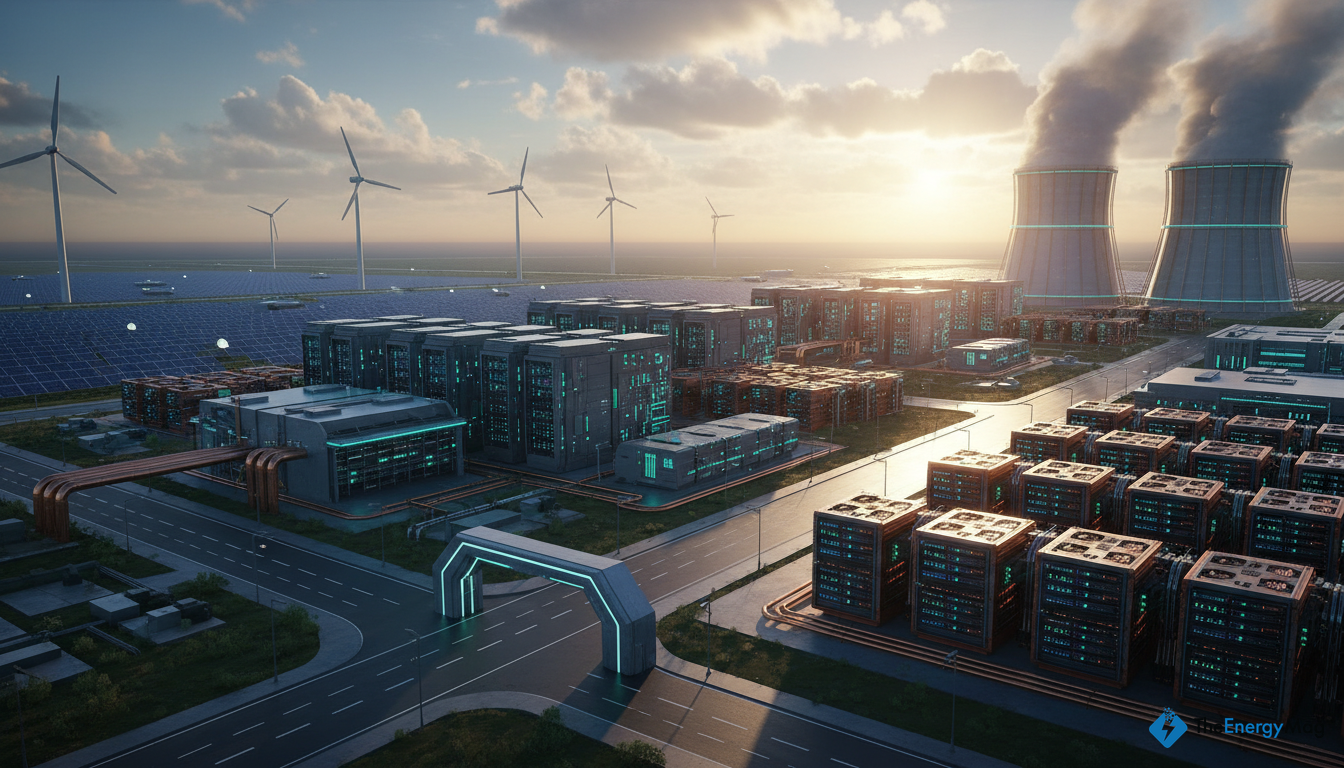
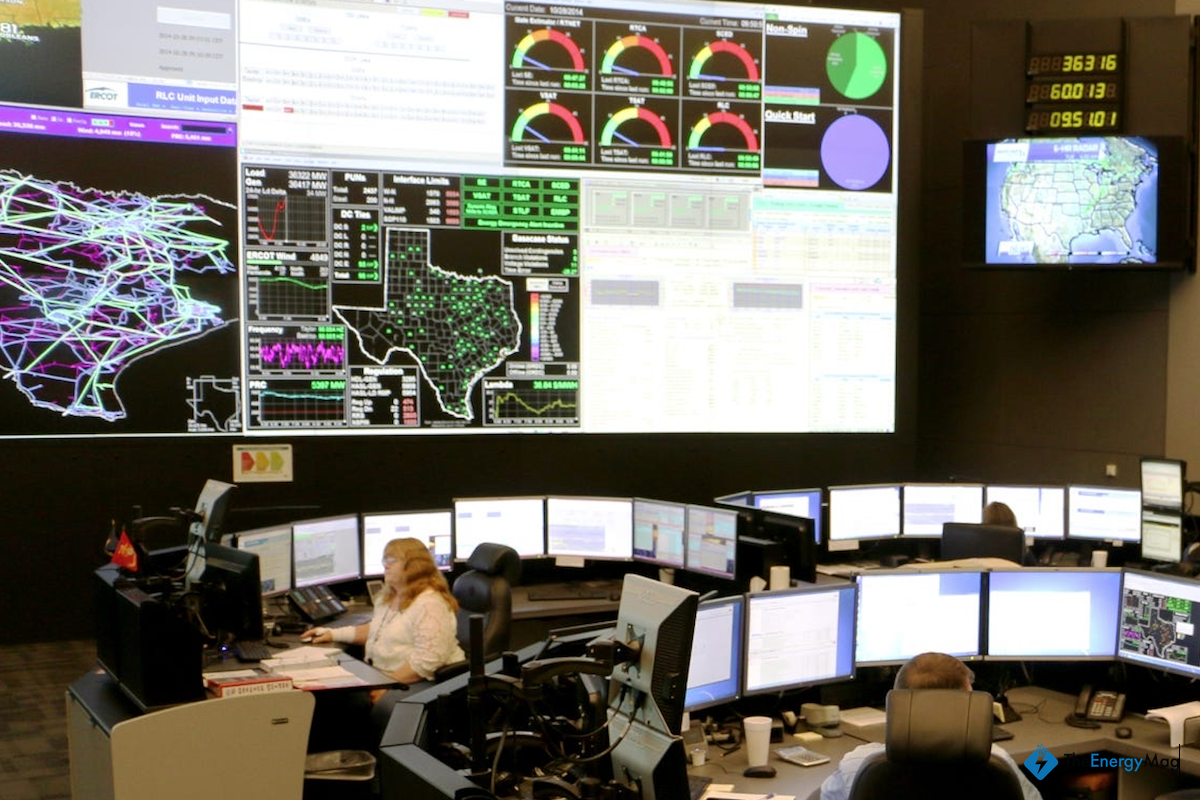
Across global markets, utilities are scrambling to connect massive new data centers. Tech giants are locking in gigawatts of power. Transmission queues to connect the new generation to the grid are backlogged. Electrical substations are suddenly strategic assets. The AI boom has made one thing clear: computation is no longer limited by software. It is limited by energy.

And that is precisely why we want to lead in meeting this moment.
Long before ChatGPT or the current AI arms race, one industry quietly built large-scale, energy-intensive compute infrastructure across the globe.
That industry was Bitcoin mining.
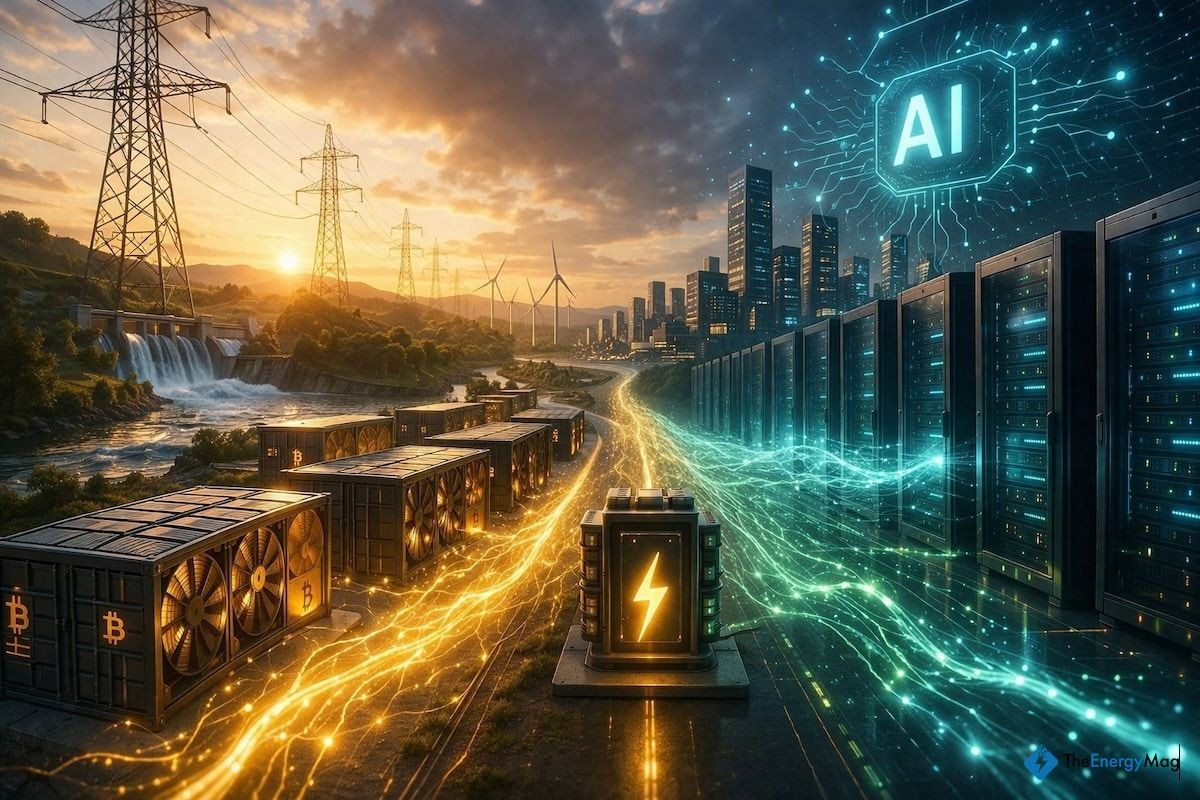
While many people think of Bitcoin as a digital currency or a speculative asset, its underlying engine has always been physical infrastructure. It runs on warehouses, transformers, cooling systems, and power contracts. It runs on electrons. Bitcoin mining, at its core, is an energy business.
This four-part series explains why that matters now more than ever — and why miners, by virtue of arriving early to the energy frontier, may be uniquely positioned for the next wave of computational demand. The first series traces how Bitcoin’s design — from its issuance schedule to its mining economics — places energy at the center of the system, and why that foundation is suddenly relevant in an AI-driven world.
The Cube That Explains Everything
The visual accompanying this piece may look simple: two large cubes representing time. But those cubes tell the entire story of Bitcoin’s design. It lays out the issuance timeframe and the process of creating new Bitcoin through mining.

The large cube represents the first phase of Bitcoin’s life – the period from its launch in 2009 through 2025. In just these 16 years, over 95% of all the 21 million Bitcoin that will ever exist have already been issued. On March 9, the Bitcoin network crossed a historic milestone: over 20 million Bitcoin have now been issued.
The remaining 5%? The small cube beside it represents the supply yet to be mined. Distributing that final portion of Bitcoin’s 21 million cap will take another 115 years, stretching all the way to 2140. That asymmetry is not accidental. It is the result of Bitcoin’s halving mechanism.
Every four years, the number of new Bitcoin issued through mining is cut in half in each block. Since launching in 2009, that reward has fallen from 50 Bitcoin per block to 3.125 Bitcoin today. Four halvings have already occurred. After the next one in 2028, issuance will shrink again.
Bitcoin’s supply schedule is front-loaded by design. The early years saw large rewards. The later years stretch into a long, slow tail.
Why structure it this way? Because Bitcoin was never meant to be a short-term extraction game. It was built to be sustained by energy and network security over generations.
Arriving Early
A common question is whether mining “ends” once all 21 million Bitcoin are issued. It does not.
Around 2140, the block subsidy — the newly created Bitcoin paid to miners — will fall to zero. But the network will continue operating. Miners will earn transaction fees instead of newly minted coins.
While the incentive changes, the demand for energy remains. Bitcoin transitions from a subsidy-driven system to a fee-driven one. But it is still secured by computation, and computation still requires electricity.
Bitcoin mining is not just about creating new coins. It is about continuously converting energy into security, which increasingly becomes important as issuances decline.
Historically, each process of halving—or reducing the reward for mining new Bitcoin—has coincided with a new market cycle. Prices have surged to new highs after prior reward cuts. The bottom chart in the visual shows this clearly. But price is the surface story.
The deeper story is structural: while markets swing wildly, Bitcoin’s issuance is pre-determined. The schedule does not react to demand. It does not respond to policy. It does not react to market conditions. It simply continues, halving after halving, decade after decade. And as issuance declines, other factors become increasingly important: Energy efficiency. Power access. Infrastructure durability.
In the early days, mining was about capturing new supplies. Today, with 95% of Bitcoin already issued, the economics have changed.
New issuance shrinks every four years. The margin for error narrows. The competition shifts toward who can secure the most reliable, lowest-cost, and efficient power.
Mining becomes less about how many coins are left to mine — and more about who controls the energy required to keep the network secure.
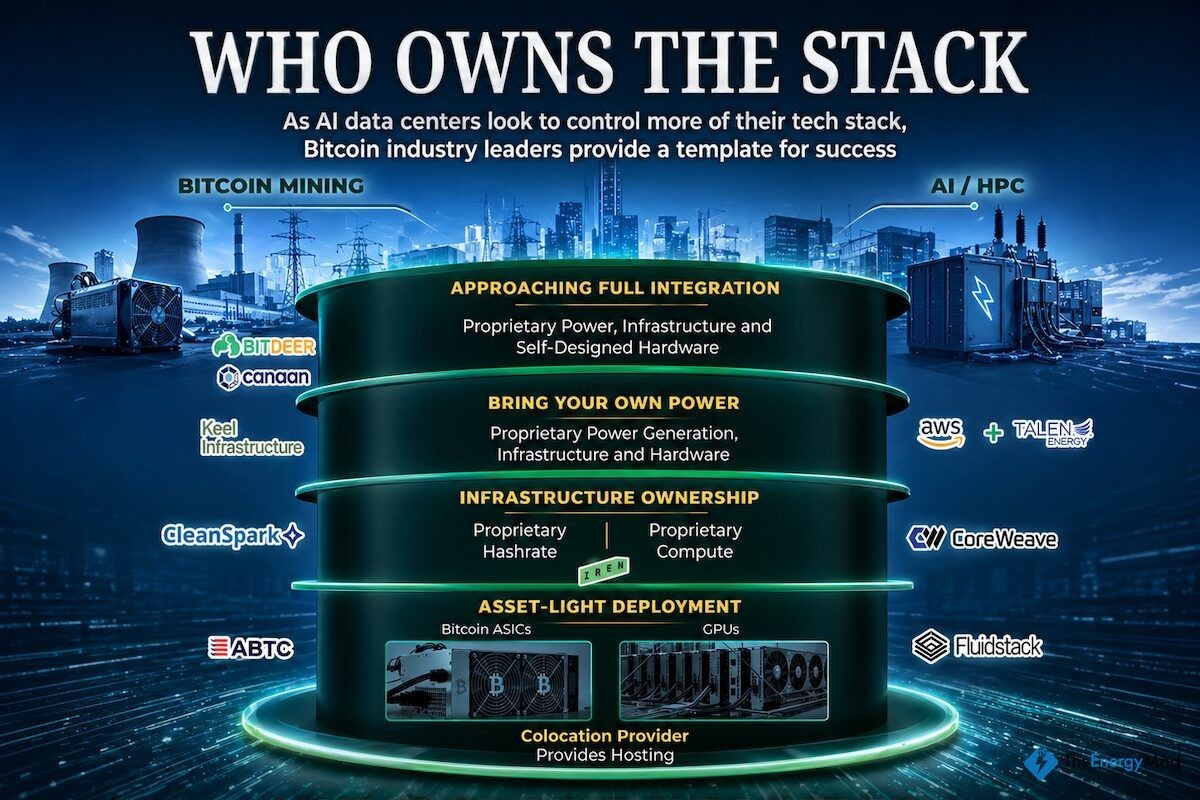
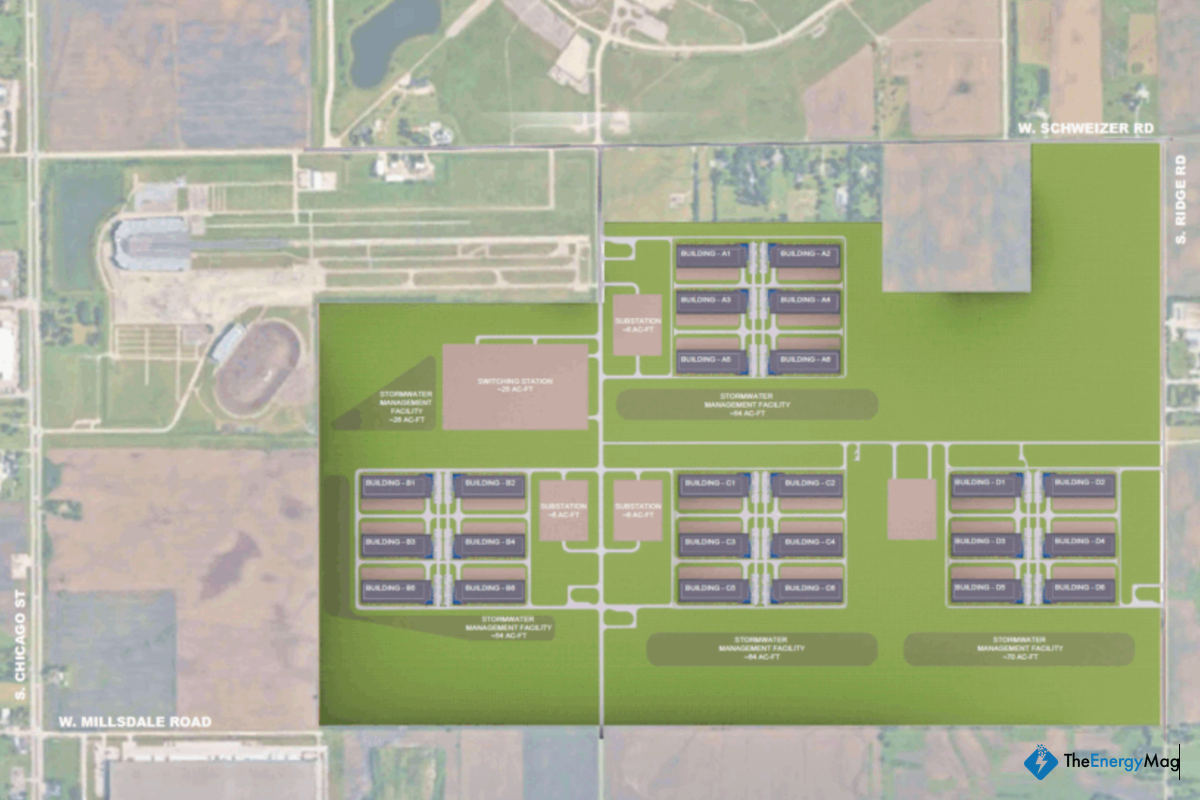
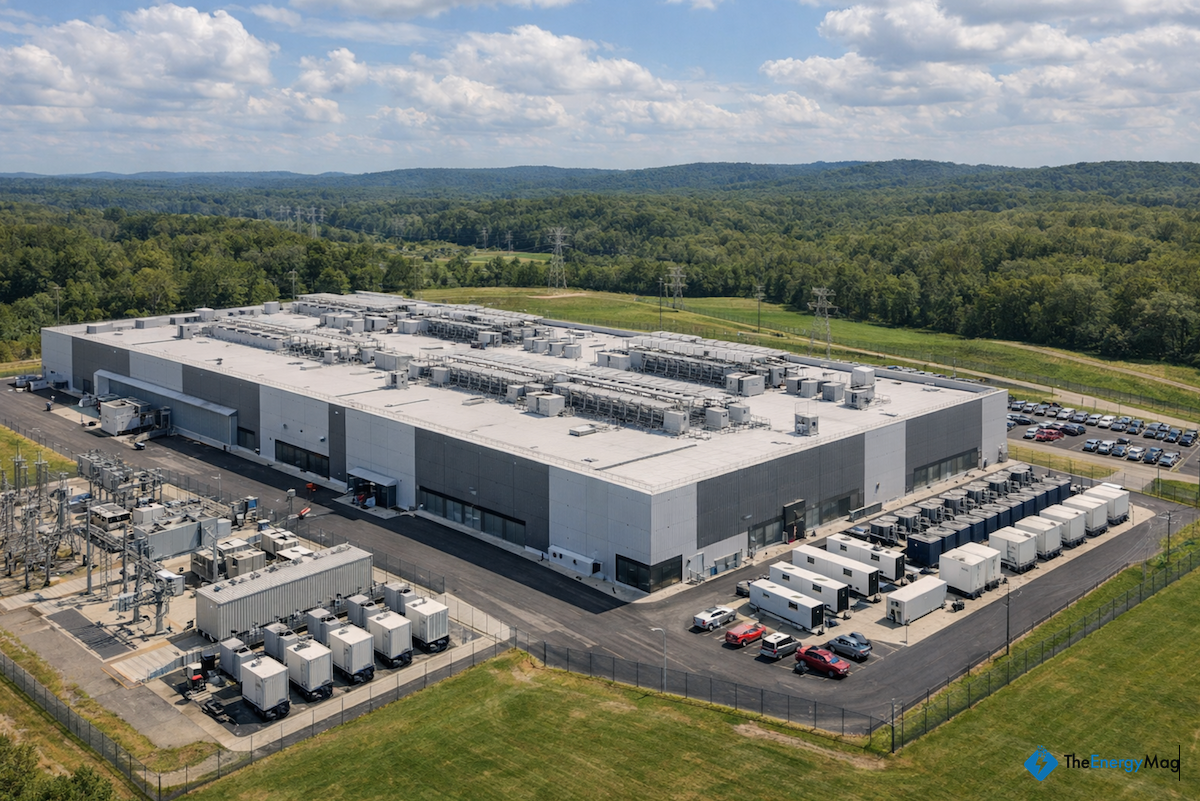
This is why Bitcoin miners look different in 2025 than they did in 2015. They negotiate power purchase agreements. They build substations. They design cooling systems. They manage megawatt-scale facilities. They have spent more than a decade learning how to convert electricity into computations at an industrial scale. And now, as AI data centers search for the same thing — stable, scalable energy — the approach is similar.
The AI boom did not create the idea that energy is scarce. It revealed it.
Bitcoin miners were among the first to industrialize energy-backed computation. They built in remote regions. They optimized energy sourcing. They navigated transmission bottlenecks. They learned to operate where power was abundant and underutilized.
In doing so, they arrived early at the energy frontier.
The cubes in the visualization represent time. But they also represent a shift. Bitcoin’s supply is nearly exhausted. Its timeline stretches a century further, and its security depends on sustained energy input.
In the next three editions, we will explore how that early energy expertise translates into today’s evolving computing economy — and why the convergence between Bitcoin mining and AI infrastructure may be less surprising than it appears.
Because in the end, Bitcoin was never just digital money.
It was an energy system spanning centuries.
And energy is now the real currency.