Cango Inc. Reports $81.6 Million Net Loss for Q2 2026 Amid Shift to AI Infrastructure and Bitcoin Hedging
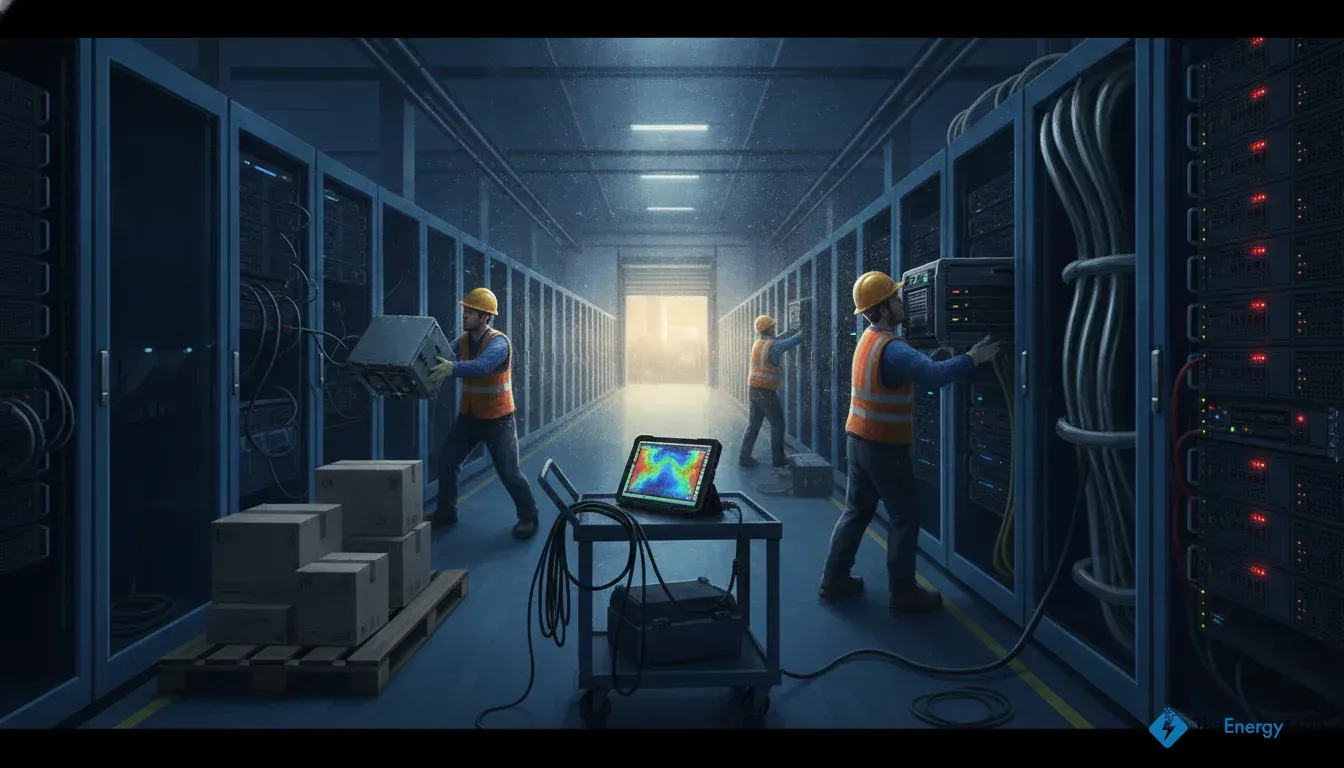
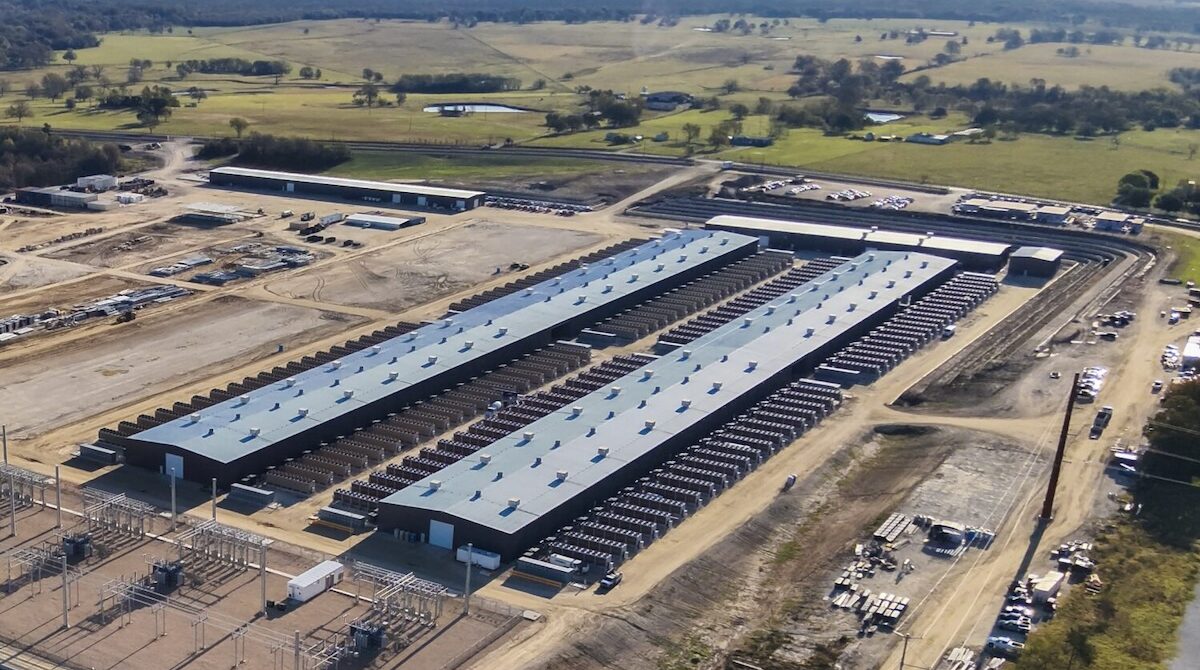
AI-generated image: synthetic visual, not an actual depiction of events, people, or locations.
Key Takeaways
- Cango reported a Q2 2026 net loss of $81.6 million, largely due to $42.9 million in non-cash impairments on older mining hardware.
- Total revenue fell 50% sequentially to $50.8 million as the company retired S19 series machines to improve fleet efficiency.
- The company reduced its average cash cost per Bitcoin to $73,313, a 5% improvement over the previous quarter.
- Infrastructure in Georgia was converted to support 3 MW of AI compute, with GPU hosting revenue expected to start in Q3 2026.
- Cango held 1,056 Bitcoins in reserve and $10.1 million in cash as of June 30, 2026.
Cango (NYSE: CANG) Inc. filed a Form 6-K on August 31, 2026, detailing a second-quarter performance marked by a transition from pure-play Bitcoin mining toward a diversified model involving artificial intelligence (AI) infrastructure. The company's total revenue of $50.8 million represented a significant decrease from the first quarter, which management attributed to a proactive reduction in operating hashrate. This reduction involved phasing out older S19 series mining machines and shifting a portion of capacity to a hosted leasing model.
The reported net loss of $81.6 million was primarily influenced by $42.9 million in non-cash impairment losses on mining machines and an $8.5 million loss on their disposal. However, this loss was narrower than the $261.1 million net loss reported in the first quarter of 2026, which had been exacerbated by a $151.8 million loss from changes in the fair value of crypto assets. In the second quarter, the fair value loss on crypto assets was reduced to $4.1 million.
Operational Shift and AI Infrastructure
Cango's total operating hashrate reached 27.58 EH/s as of June 30, 2026. This capacity consisted of 19.84 EH/s of self-mining and 7.74 EH/s of leased capacity. During the quarter, the company mined 656 Bitcoins. CEO Paul Yu stated that the company is prioritizing unit economics over total scale, leading to a 5% sequential reduction in the average cash cost to mine a single Bitcoin.